
The Dead Horse Who Won at 57–1
A horse declared dead suddenly storms home a 57–1 winner. A vet pockets insurance money and betting winnings. The Dr. Mark Gerard scandal remains one of the greatest equine identity crisis of all time.

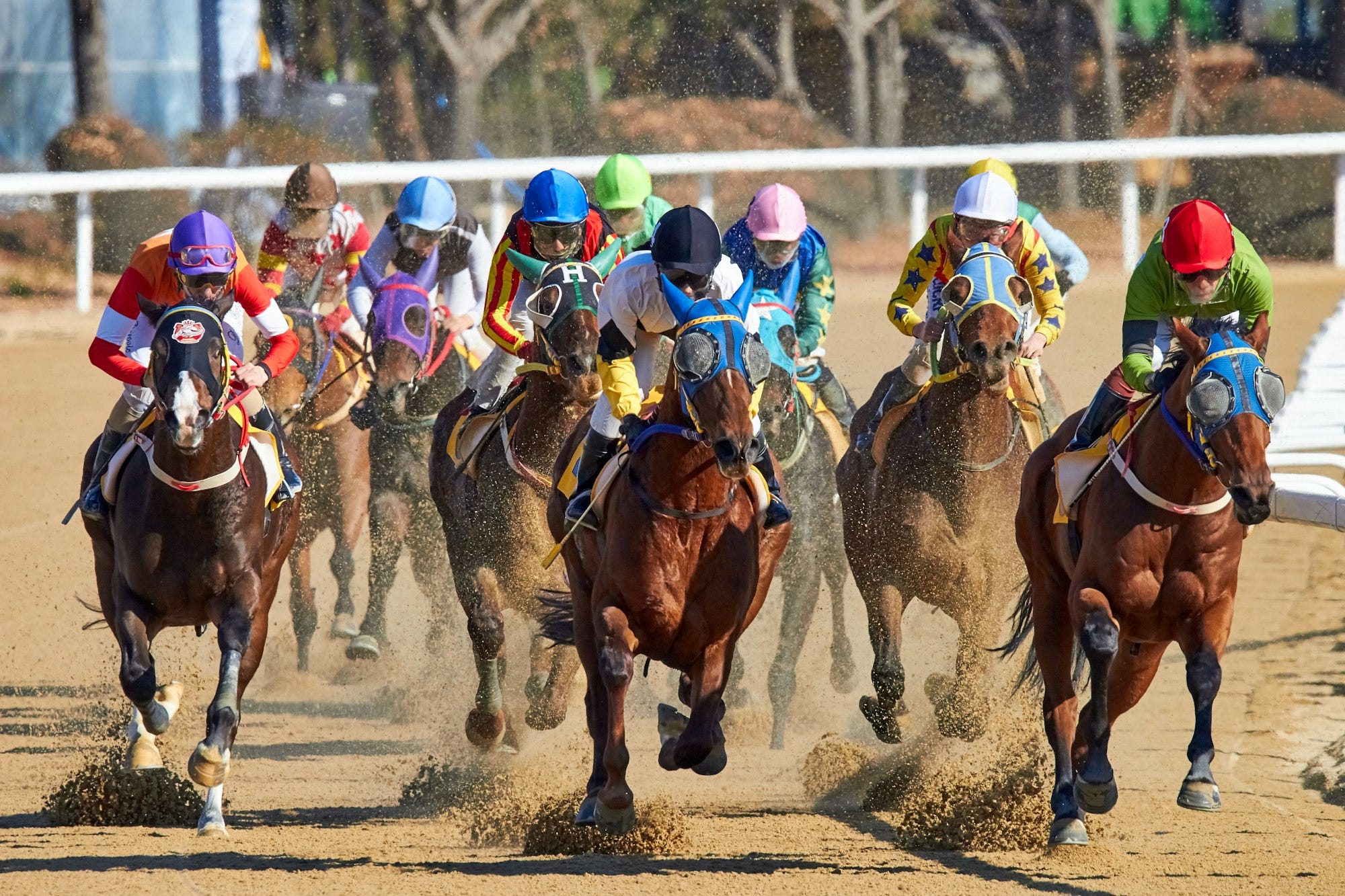
Dr. Mark Gerard was no small-time horseman, he was a veterinarian who looked after legends like the Triple Crown Winner Secretariat and other top-flight thoroughbreds.
In 1977 Gerard imported two horses from Uruguay. Cinzano, a champion with a strong track record. Lebón, a much cheaper horse with mediocre results.
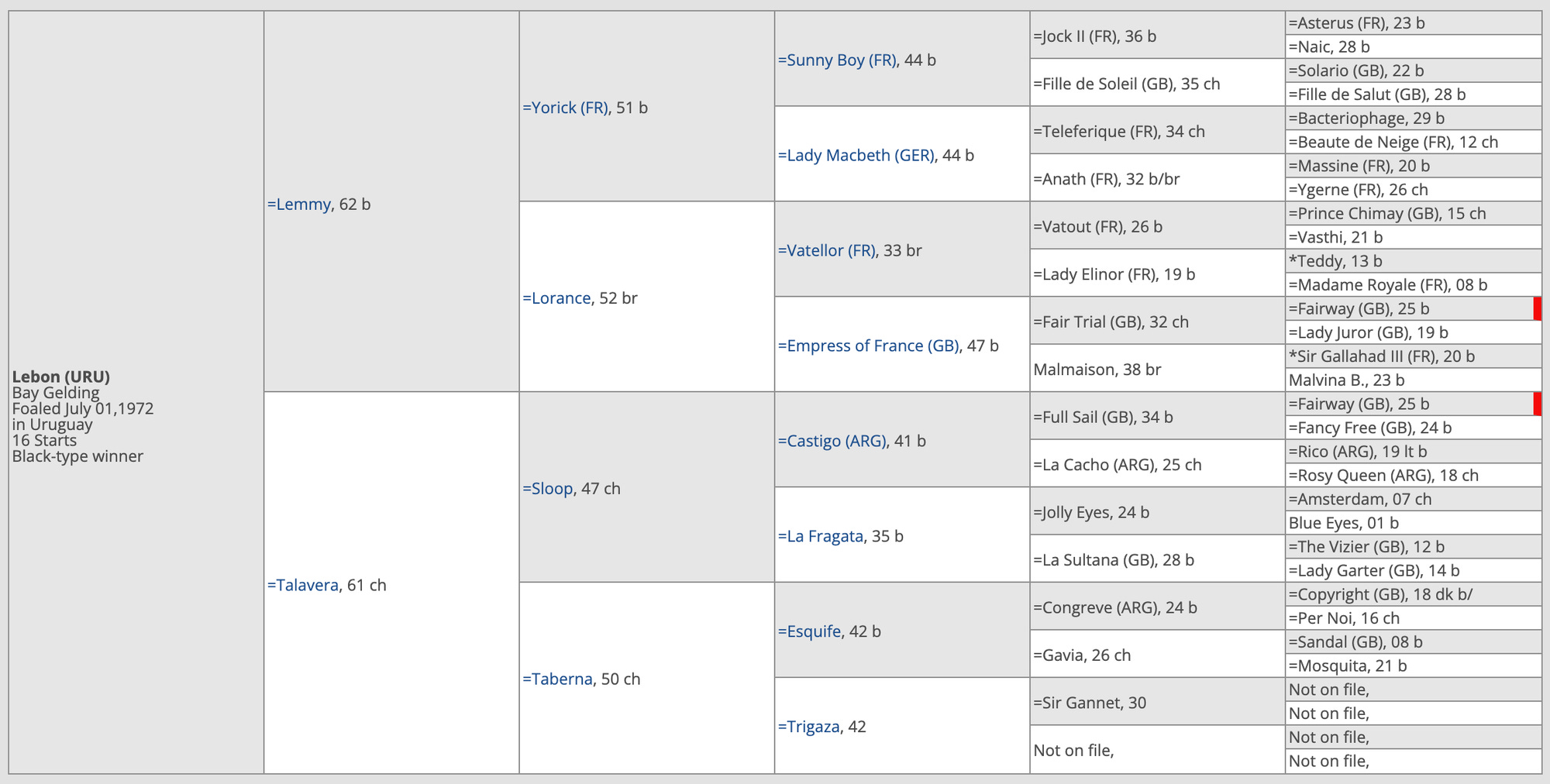
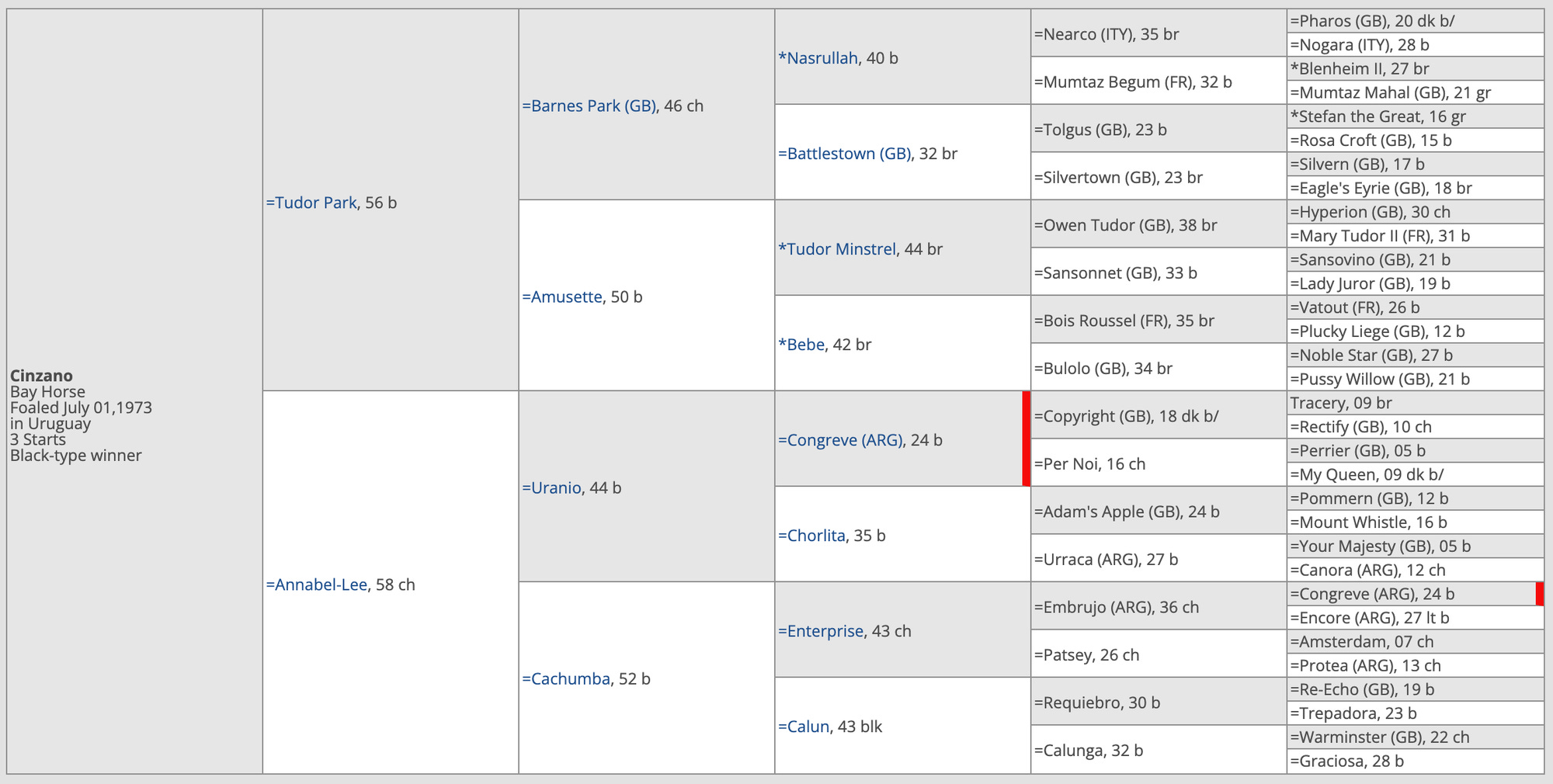
Not long after their arrival he announced that the good one, Cinzano, had died in a tragic accident, and collected a hefty $150,000 insurance payout for the loss.
Then, one day at Belmont racetrack, Dr. Gerards more mediocre South American find, Lebón, stunned everyone by winning at 57-1 odds.
An improbable upset that returned about $116 for every $2 bet. The good doctor Gerard himself collected around $80,000 in winnings.
At first, nobody questioned it
But an alert racing journalist from Uruguay spotted the winner in a photo and recognised the horse as Cinzano, not Lebón.
So when the markings didn't add up, the mystery unraveled.
Investigators discovered the horse that raced, and won, was not the one on the entry papers. Cause Lebón’s true identity was in fact not Lebón, but Cinzano.
Turns out the real Lebón [poor horse] had been put down and sent to landfill long time ago, just to be replaced with the faster, and more talented Cinzano.
Gerard ended up convicted, not for killing horses or grand fraud, but for falsifying documents.
How sad the faith for the real Lébon was, there is an upside to this story.
The identity scam forced the industry to start tighten identification rules, with tattoos, photos, DNA, and microchips.
Turns out all it took was a dead winner at 57–1 in a gambling scandal.
But would anyone be surprised if anything like this happened again. Cause where there’s money, someone will always try something stupid to get some more.